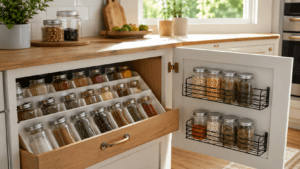
A cluttered dresser can make getting dressed feel harder than it should be. Small daily frustrations often start with disorganized drawers and crowded surfaces.
These dresser organization ideas help bring order to every part of the piece, from the top surface to the deepest drawer. With a few practical adjustments, mornings become smoother, and rooms feel calmer.
Whether you’re organizing a bedroom or a nursery, simple systems make a noticeable difference.
In this post you’ll find:
- Drawer dividers that separate socks, accessories, and small items neatly
- Slim bins that make use of overlooked under-dresser space
- Storage baskets that corral loose everyday essentials on dresser tops
- Trays and caddies that keep grooming and nursery items contained
- Labeled systems that simplify identifying drawer contents at a glance
- Fabric organizers that free up drawer space using wall areas
This post contains affiliate links. As an Amazon Associate I earn from qualifying purchases, at no extra cost to you.
01. Drawer Dividers
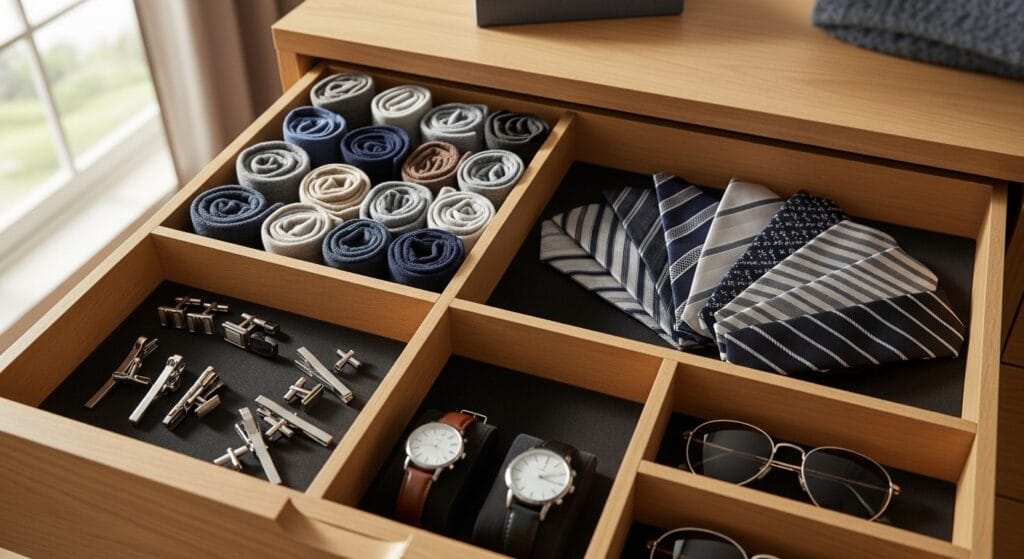
Small items like socks, belts, and jewelry often end up tangled together in a single drawer. This makes dressing slower than necessary.
Adjustable drawer dividers create separate compartments so each category has its own defined space. Items stay flat and are easy to grab.
This setup is especially helpful in shared dressers, where multiple people need quick access to their own sections.
02. Storage Baskets
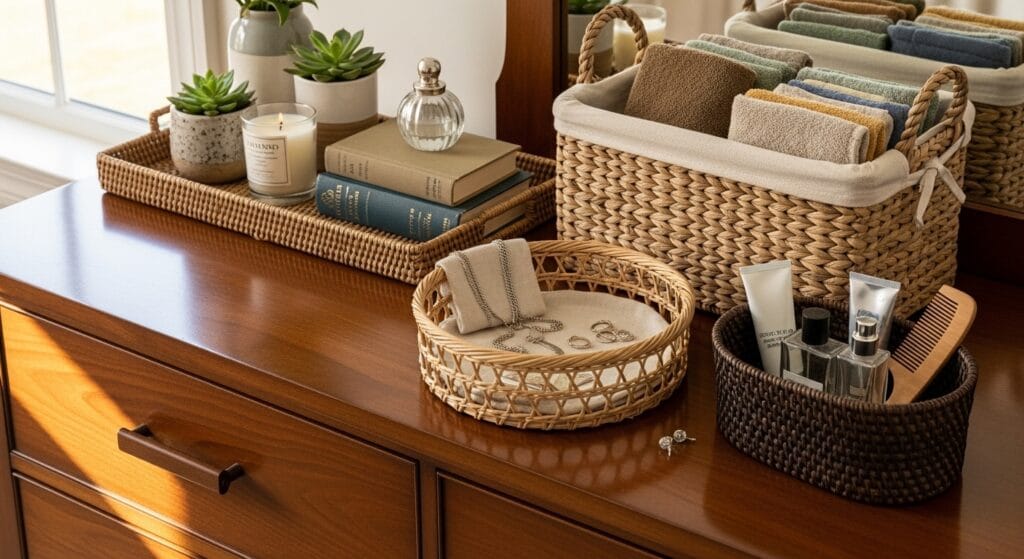
The top of a dresser often becomes a catch-all for loose items like jewelry, chargers, and mail. This creates visual clutter quickly.
Woven storage baskets group these miscellaneous items into one tidy spot. Everything stays accessible while reducing surface mess.
Placing baskets near the edges also keeps the dresser top functional for daily use, like setting down keys or a phone.
03. Label Systems
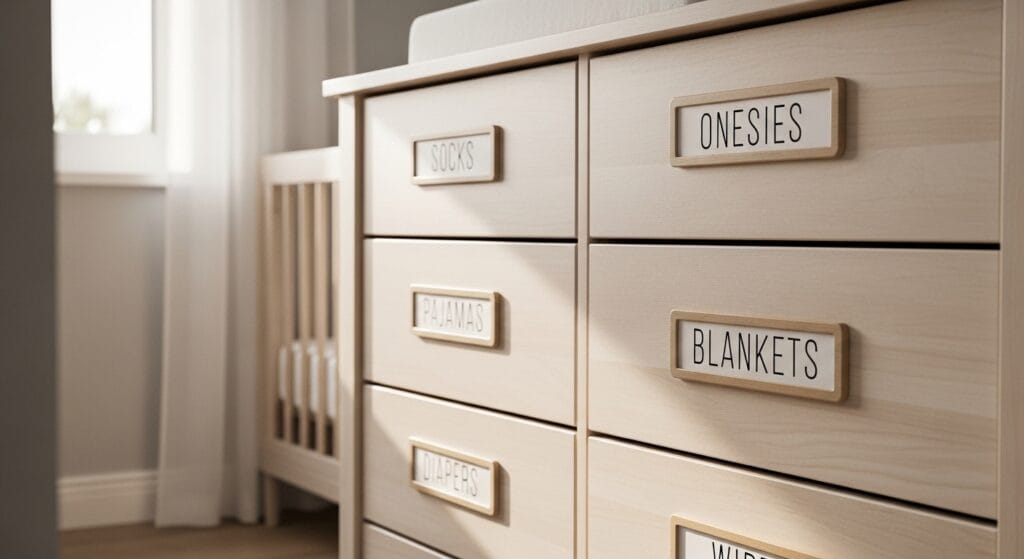
Knowing what’s inside each drawer without opening it saves time, especially in shared or children’s rooms. Guesswork often leads to messy searching.
A simple label system applied to drawer fronts or bins clarifies contents instantly. Labels can be reused as needs change over time.
This is especially useful in nurseries, where caregivers benefit from quickly identifying clothing sizes or categories.
04. Under-Dresser Storage
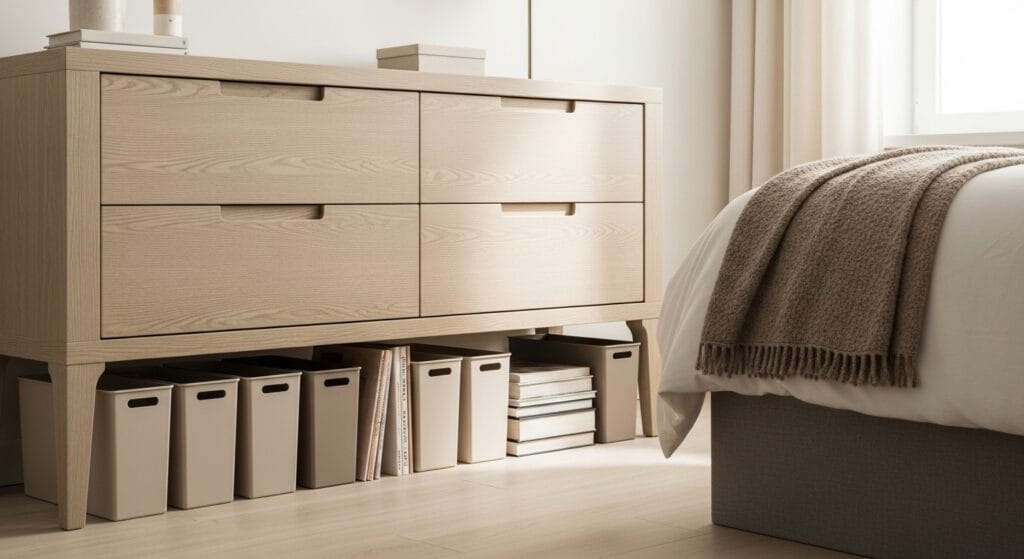
The space beneath a dresser is often overlooked entirely. This gap can hold extra items without requiring additional furniture.
Slim under-bed storage bins adapted for under-dresser use fit neatly into this narrow area. They’re ideal for out-of-season bedding or shoes.
Choosing low-profile containers with smooth gliding ensures easy access without disturbing the dresser above.
05. Jewelry Organizers
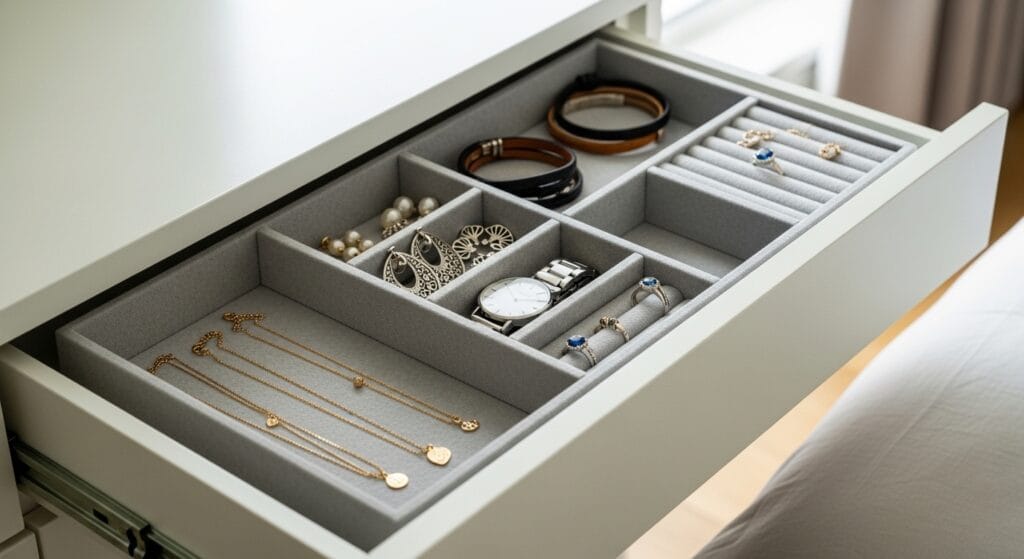
Small accessories like earrings and necklaces easily tangle or get lost in open drawers. This makes daily accessorizing frustrating.
A compact jewelry organizer tray fits into a shallow drawer, separating pieces by type. Everything remains visible without overlapping.
This setup also protects delicate items from tangling with clothing, keeping accessories ready to wear.
06. Fabric Storage Cubes
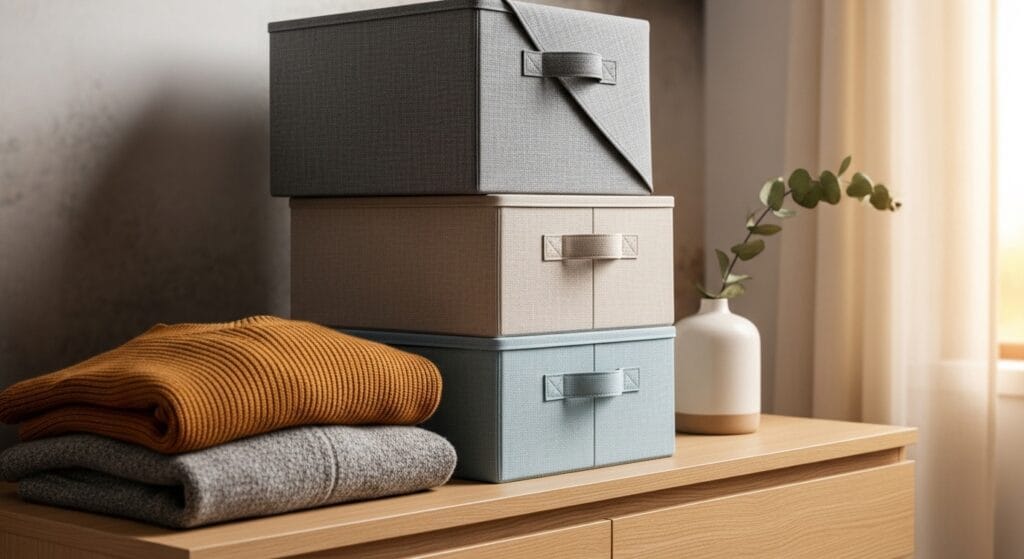
Bulky items like sweaters or extra linens can overwhelm standard drawer space. These pieces often get crammed in awkwardly.
Soft fabric storage cubes placed on top of or beside a dresser absorb overflow items. They’re flexible and easy to reposition.
These cubes also collapse when empty, making them practical for households with changing seasonal storage needs.
07. Drawer Liners
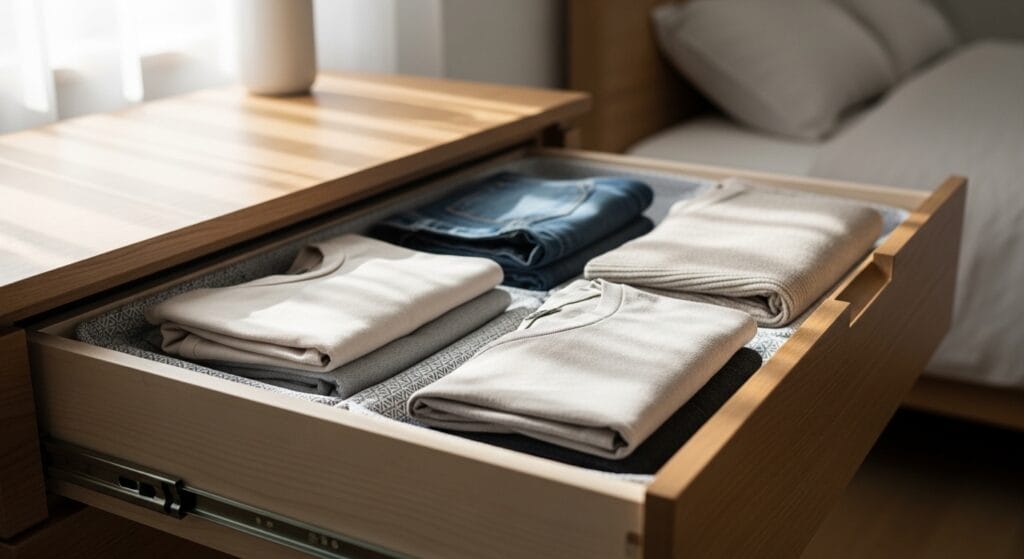
Drawer surfaces can get scratched or stained over time, especially with frequent use. This affects both function and appearance.
Adding non-slip drawer liners protects surfaces while keeping folded items from sliding during opening and closing. Liners also reduce noise.
This small addition extends the dresser’s usability and keeps interiors looking refreshed with minimal effort.
08. Hanging Organizers
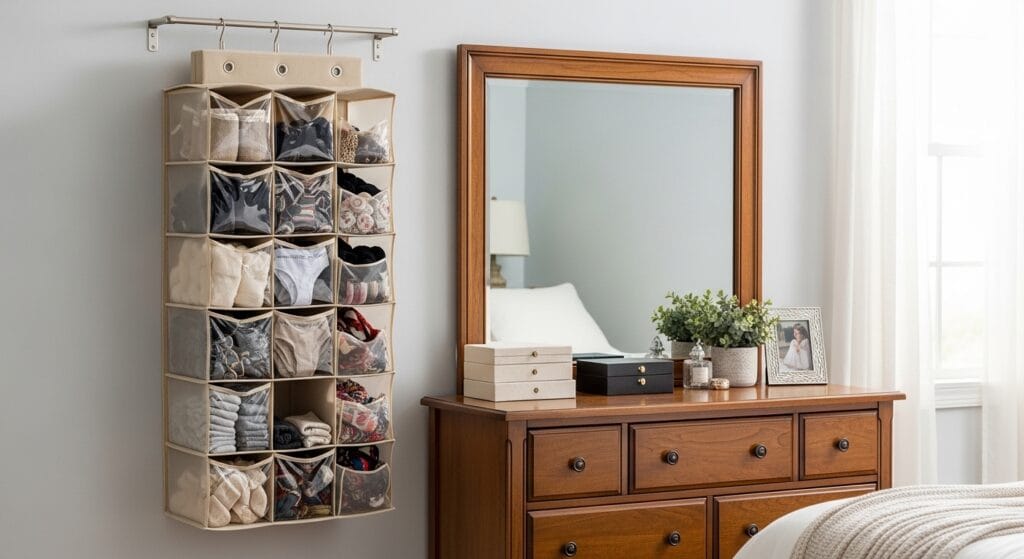
Limited drawer space sometimes means certain items need an alternative storage location nearby. Vertical wall space often goes unused.
A hanging fabric organizer mounted beside the dresser adds pockets for small items like scarves or hair accessories. It frees up drawer room.
This solution is especially useful in smaller bedrooms where dresser space is limited but wall space remains open.
09. Diaper Caddies
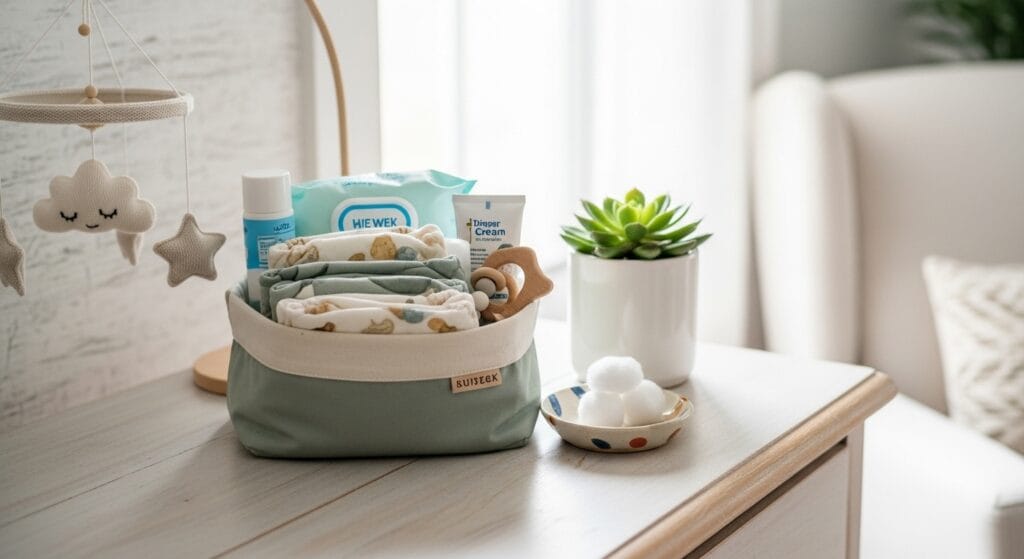
Nursery dressers often double as changing stations, requiring quick access to supplies. Without a dedicated spot, items get scattered across the surface.
A portable diaper caddy placed on top of the dresser keeps diapers, wipes, and creams together. Everything stays within reach during changes.
The portable design also allows the caddy to move between rooms as needed throughout the day.
10. Drawer-Top Trays
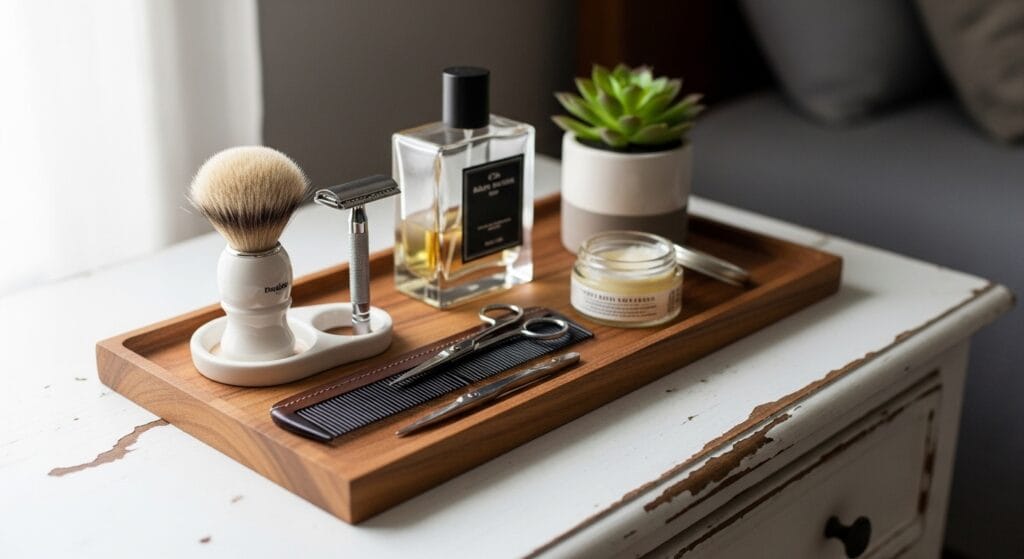
Open dresser surfaces can become disorganized quickly without defined zones for specific items. Loose objects tend to spread across the entire top.
A wooden organizer tray placed on the dresser top creates a contained space for frequently used items like lotion or hairbrushes.
This approach keeps the surface visually calmer while still allowing easy access to daily essentials.
11. Mirror-Top Organizers
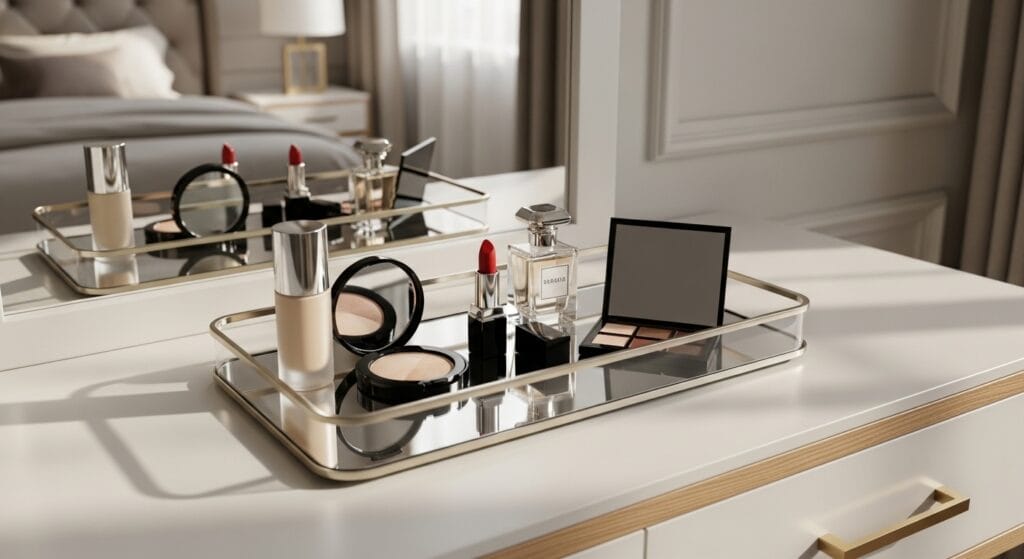
Vanity-style dressers often need organization for small grooming and beauty items without crowding the mirror area. Items tend to slide around easily.
A mirrored organizer tray designed for vanity tops keeps cosmetics and accessories grouped neatly. The reflective surface also enhances lighting.
This addition supports daily routines while maintaining a clean, functional appearance on the dresser surface.
Building a More Functional Space
Bringing these dresser organization ideas together creates a system that’s easier to maintain daily. Small changes across drawers and surfaces add up significantly.
For broader results, pairing dresser updates with a wider bedroom organization approach helps maintain consistency throughout the room.